Dig deep enough and the rock gets hot — heat produced by the slow decay of elements deep in the Earth, effectively inexhaustible on any human timescale. Tapping it for power is an old idea suddenly drawing fresh money and attention.
What geothermal is, and why it appeals
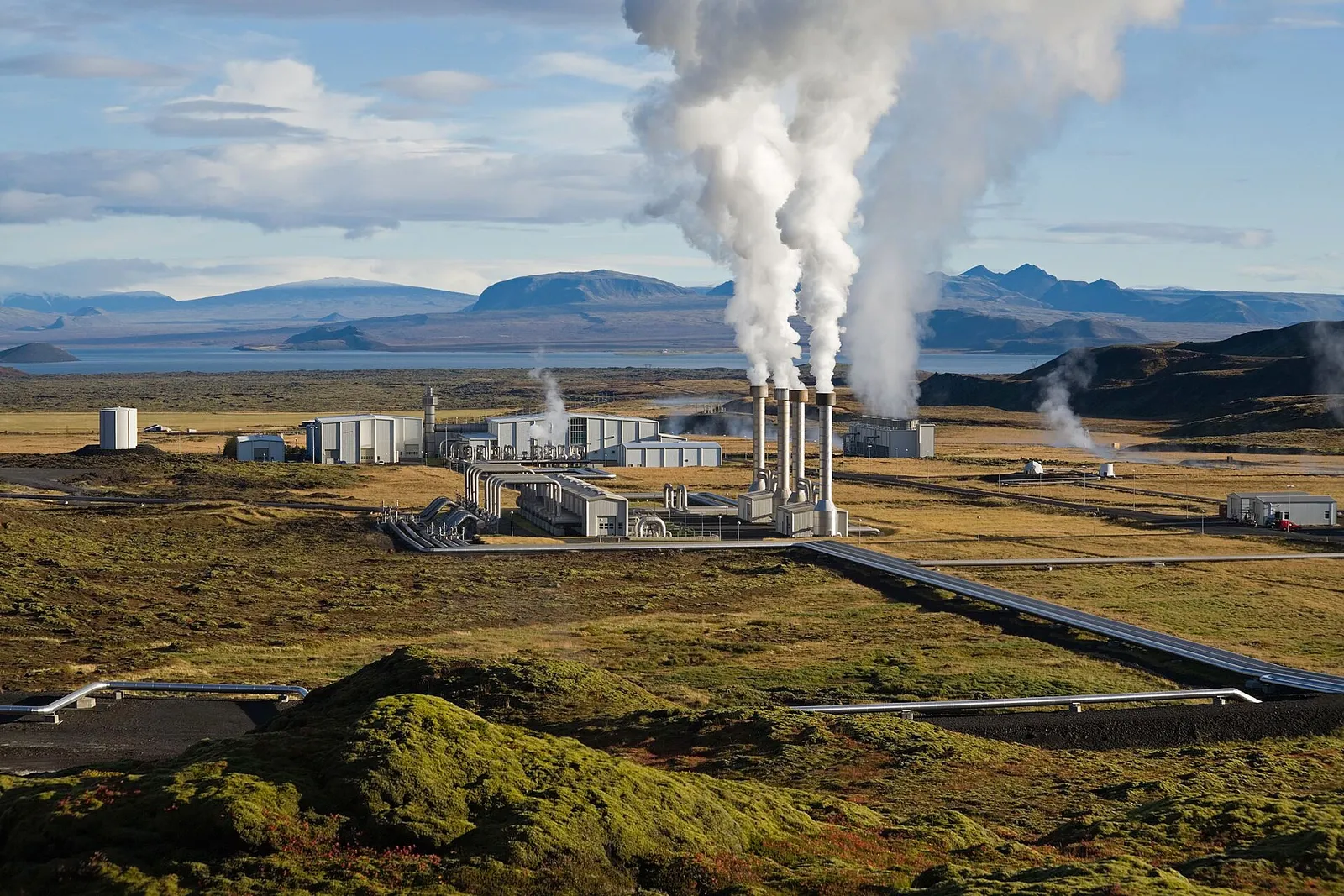
Conventional geothermal plants exploit places where underground heat sits close to the surface and mixes with water, producing steam to drive turbines. Iceland, Kenya, Indonesia and parts of the western United States have used such resources for decades.
The attraction is that, unlike wind and solar, geothermal runs around the clock. The International Energy Agency says geothermal plants operated at more than 75% of their capacity in 2023, far above wind or solar, in its report on the sector. That makes it valuable to grids trying to balance weather-dependent renewables.
The old limitation
Conventional geothermal needs a geological coincidence: hot rock, water and permeable pathways near the surface. That confines big projects to volcanic and tectonically active zones, and geothermal still meets less than 1% of global energy demand, the IEA notes. Drilling is the other obstacle — wells can cost millions of dollars each, and a disappointing well is a costly write-off, which has made financing hard.
A new approach
Enhanced Geothermal Systems (EGS) try to get around the geology problem by engineering a reservoir: drilling deep into hot dry rock and pumping in water under pressure to create cracks through which fluid can circulate and pick up heat. The technique borrows directly from the hydraulic-fracturing methods of the oil-and-gas industry. A related "closed-loop" approach circulates fluid through sealed pipes to avoid the seismic risks associated with fracturing.
The key shift has been the transfer of oil-and-gas drilling know-how — directional drilling, better bits, real-time data — into geothermal. At the U.S. Department of Energy's FORGE research site in Utah, drilling rates improved sharply and well costs fell over recent years, the DOE reports. Houston-based Fervo Energy, the leading commercial player, says it has roughly halved its per-well drilling costs in two years and is building a large EGS project in Utah intended to scale to hundreds of megawatts; such company figures are the firms' own and not independently audited.
Why Big Tech is interested
The most visible driver of new investment is soaring electricity demand from AI data centers. Technology companies with net-zero pledges want round-the-clock carbon-free power that solar and wind alone cannot guarantee. Google has signed a power-purchase deal for geothermal electricity to supply data centers, and Meta has contracted for geothermal capacity in the United States, according to industry and analyst reporting. Such deals give developers the long-term buyers they need to finance expensive drilling.
Costs, hurdles and outlook
The economics are still tough. First-of-their-kind EGS projects remain expensive per unit of capacity — by IEA figures, well above mature renewables today. The agency projects costs could fall substantially by 2035 and 2050 if investment is sustained and the oil-and-gas industry participates, potentially making next-generation geothermal competitive with offshore wind or new nuclear — but those are scenario-based projections, not guarantees, and would require very large cumulative investment.
Other hurdles are not about engineering: lengthy permitting, multi-year grid-connection queues, and a shortage of trained geoscientists. Still, the IEA estimates the theoretical resource is enormous — far larger than global electricity demand — and sees room for big growth under supportive policies.
Whether geothermal becomes a major pillar of clean power or remains a promising niche will depend as much on finance, permitting and policy as on drilling technology. What has changed is that, after decades on the margins, serious money is now betting it can scale.