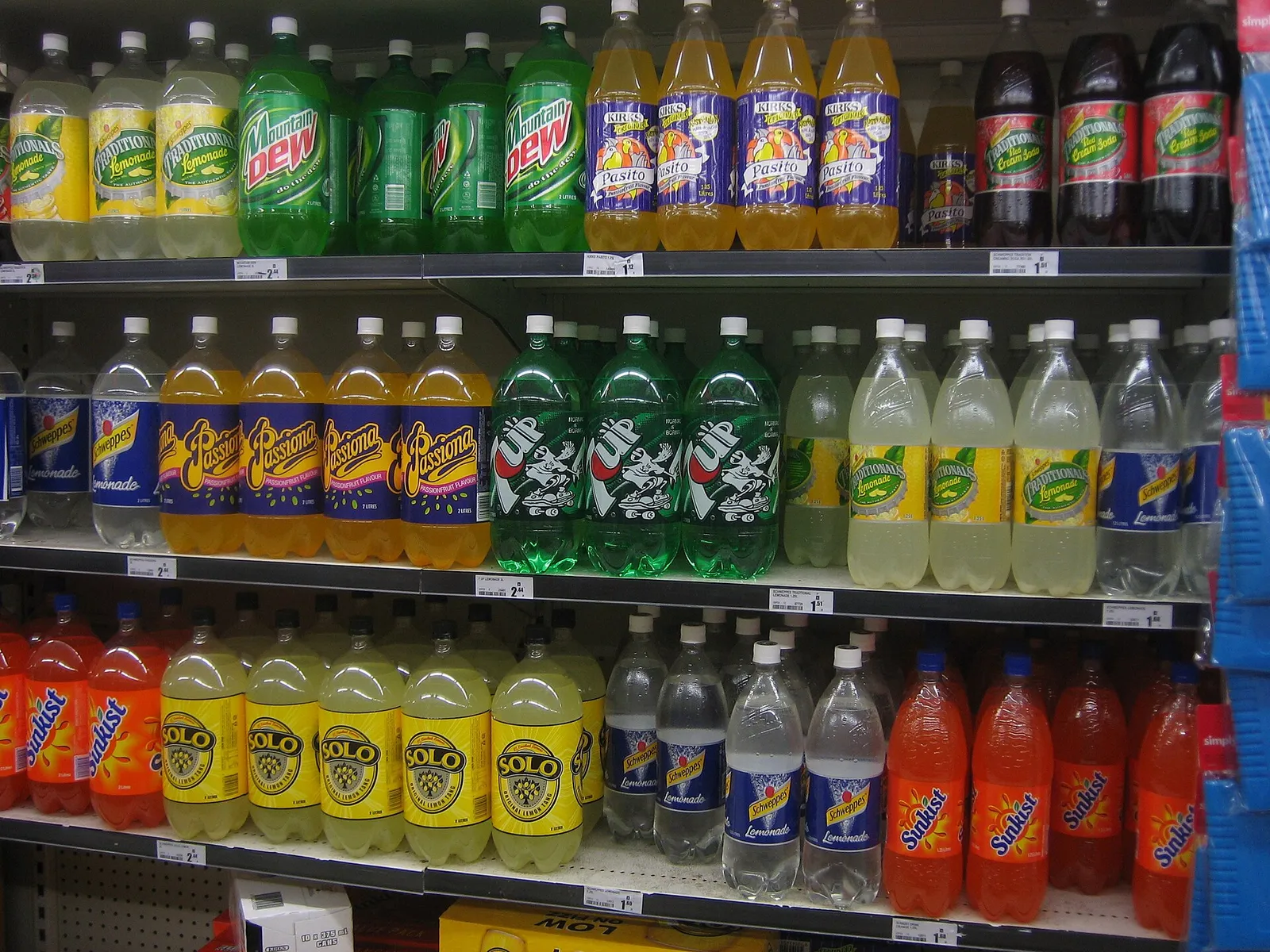
The drinks fridge has become a wellness battleground. "Functional beverages" — drinks formulated to deliver some health benefit beyond basic refreshment — have grown into one of the consumer world's hottest categories, and the biggest names in food and drink are spending heavily to claim a share.
A fast-growing market
The global functional-beverage market was valued at roughly $160–170 billion in 2025 and is projected to roughly double over the next decade, with research firms such as Fortune Business Insights and Precedence Research forecasting figures between about $314 billion and $372 billion by the mid-2030s. The category spans prebiotic ("gut health") sodas, protein coffees, electrolyte waters, and drinks laced with adaptogens, nootropics or CBD.
What's driving it
Several forces are converging. Younger consumers are drinking less alcohol — beer, wine and spirits sales all fell over the year to early 2026 while non-alcoholic alternatives surged, FoodNavigator-USA reported — opening space for drinks that promise to do something. The protein craze, amplified by the rise of GLP-1 weight-loss medications that can accelerate muscle loss, has people seeking protein everywhere: WholeFoods Magazine reported that 71 percent of Americans were actively trying to eat more protein in 2026. And the long decline of sugary soda has freed up shelf space for "better-for-you" alternatives.
Big brands move in
The clearest signal of the trend's maturity came when PepsiCo agreed to buy the prebiotic-soda brand Poppi for about $1.95 billion in 2025. Coca-Cola, not to be outflanked, launched its own prebiotic soda, Simply Pop, under its Simply juice brand rather than the flagship Coke name. Starbucks has pushed hard into protein, adding high-protein lattes and "protein cold foam" that, according to Axios, has become a roughly billion-dollar customization business. Independent brands like Olipop and Poppi helped create the gut-health category that the giants are now chasing.
The skeptics' case
The rapid growth has also drawn scrutiny that the marketing tends to gloss over. Poppi settled a class-action lawsuit for $8.9 million after plaintiffs argued its "gut healthy" branding was misleading — each can contains roughly two grams of prebiotic fiber, while researchers cited in the case said meaningfully shifting the gut microbiome typically takes at least five grams a day. Poppi called the suit "baseless" but dropped the slogan. More broadly, US regulators bar misleading health claims and require advertising claims to be backed by reliable evidence, but enforcement has lagged a category expanding at speed — leaving a gap between what a label implies and what a drink delivers, and fertile ground for litigation.
The bottom line
For investors, the boom is real: PepsiCo's near-$2 billion bet, Coca-Cola's brand extension and Starbucks' protein pivot were not made lightly. For consumers, the more useful question is whether the can lives up to its claims. Many functional ingredients have legitimate science behind them; the doses in a single drink often do not. Until labeling standards catch up with the marketing, the healthiest skepticism may be the kind applied before the purchase.