Ford has brought back about 350 veteran engineers to shore up vehicle quality, after concluding that an aggressive push to lean on artificial intelligence had left it short of the expertise it needed, as Bloomberg reported.
What went wrong
The problem, Ford executives have suggested, was less that the AI was broken than that the company hollowed out the human knowledge the systems depended on. As experienced engineers left — through buyouts and turnover — their hard-won judgment was never fully captured in the data used to train Ford's automated quality tools. The result, the company found, was that the software ended up amplifying weak inputs rather than catching design flaws. "Mistakenly, we thought that by just introducing artificial intelligence and adjusting the design requirements that we had, that that would produce a high-quality product," Ford's vice president of vehicle hardware engineering, Charles Poon, said, in comments reported by TechCrunch. AI, he added, "is only as good as the information you use to train it."
The fix
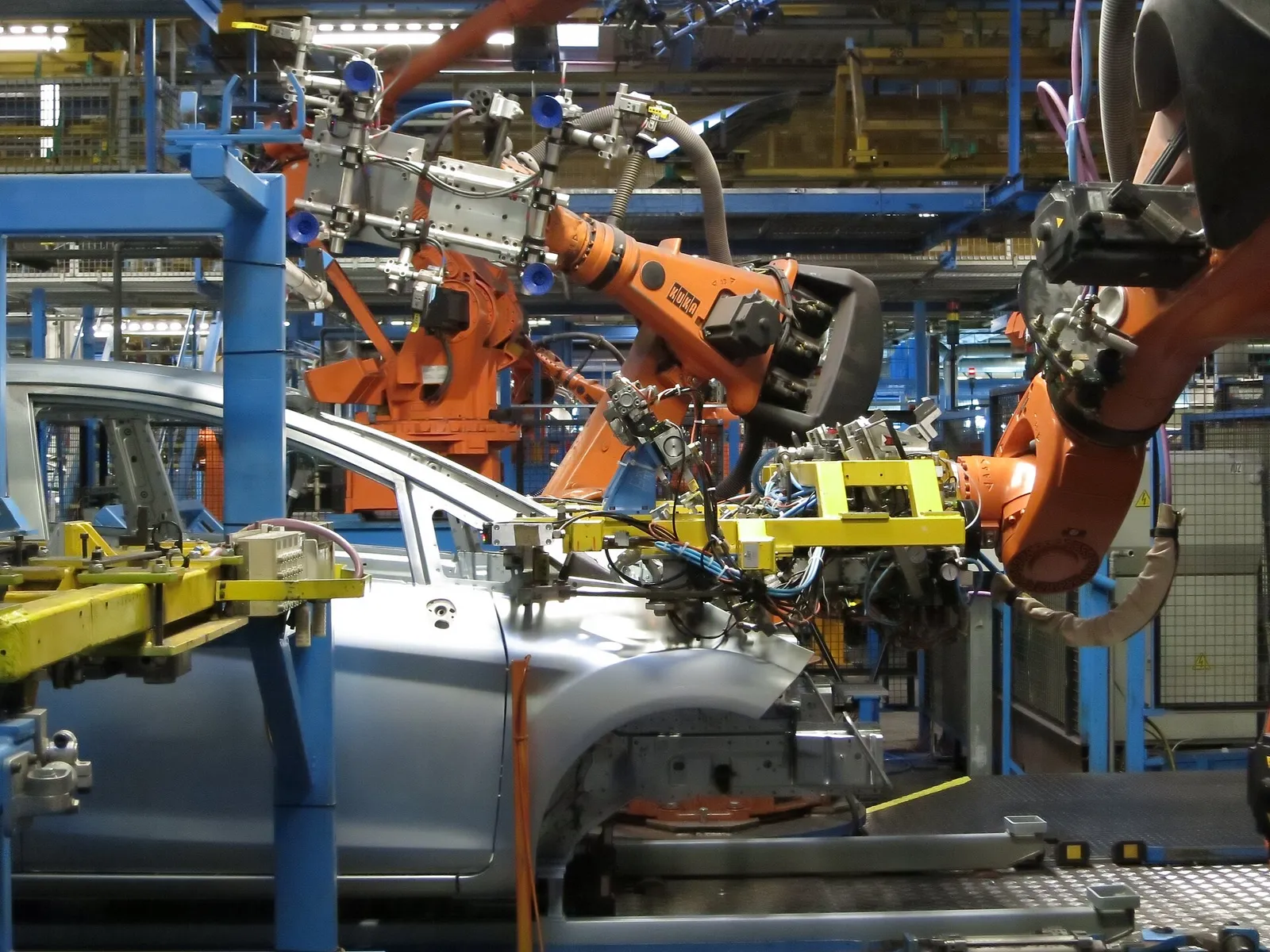
Over roughly three years, Ford rehired, recruited or promoted some 350 experienced engineers — the so-called "gray beards" — and gave them a dual task: mentor younger staff, and help rebuild and refine the very AI systems that had been meant to replace them. Rather than scrapping automation, Ford pushed it into a more supervised role, layering in tens of thousands of additional automated tests to catch problems while keeping humans in the loop.
The effort appears to have paid off. Ford was named the top mainstream brand in the J.D. Power 2026 Initial Quality Study, its first time atop that closely watched ranking since 2010, after a sharp year-on-year improvement.
An industry lesson — with an irony
The reversal carries an awkward echo. Only last year, Ford's chief executive, Jim Farley, made headlines by predicting that AI would replace "half — literally half — of all white-collar workers" in the United States. The company's experience points to a more complicated reality.
Ford is not alone in cooling on its most ambitious AI plans. A number of companies have quietly pulled back from automation projects that proved harder to deploy at scale than pilots had suggested. Analysts caution that the lesson is not that AI has failed in manufacturing — far from it. AI-driven computer vision and anomaly detection genuinely excel at spotting defects on production lines, often catching things humans miss. The harder truth, Ford's case suggests, is that for high-stakes work demanding deep, accumulated expertise, the best results come from using AI to amplify skilled people — not to do without them.