

European defense stocks dropped sharply on Wednesday after reports that Germany is preparing to abandon plans to build its largest-ever warship, denting a sector that had been one of the market's strongest performers during a Europe-wide rearmament push.
Shares in the German arms maker Rheinmetall fell as much as 13 percent in morning trading, according to CNBC. Other defense names also slid: the German sensor maker Hensoldt was down about 5 percent and the gearbox supplier Renk fell roughly 3.8 percent, while Sweden's Saab traded about 3.1 percent lower, Italy's Leonardo dropped about 3.7 percent and Britain's BAE Systems eased around 1.6 percent.
What Germany decided
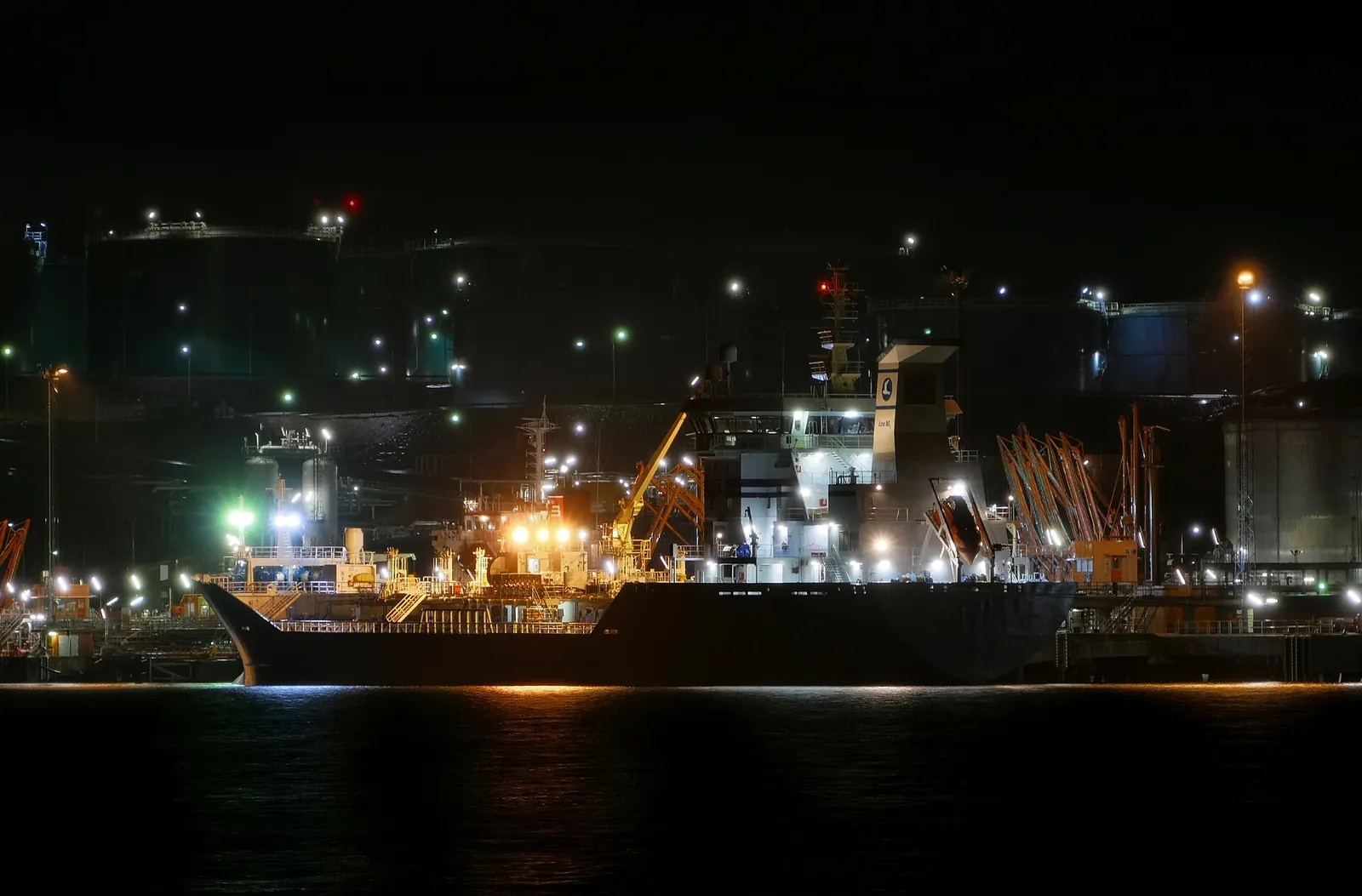
The selloff followed a report by the Financial Times, cited by Bloomberg and other outlets, that lawmakers in Berlin had moved to shelve the multibillion-euro F126 program to build six anti-submarine frigates — set to be the largest naval procurement in modern German history, and the country's biggest warship commission since the Second World War.
Instead, Defense Minister Boris Pistorius is reported to favor buying smaller MEKO A-200 frigates from the German shipbuilder TKMS (ThyssenKrupp Marine Systems), described as a faster and more cost-effective option. The F126 effort had been dogged by years of delays blamed on the prime contractor, the German unit of the Dutch shipbuilder Damen.
Why Rheinmetall fell hardest
The outsized drop in Rheinmetall shares reflects a corporate twist. Rheinmetall is primarily a maker of land systems, armored vehicles and munitions rather than warships — but it had been angling to take over management of the troubled F126 program from Damen. Scrapping or reshaping the project would jeopardize that planned expansion into naval work.
It is TKMS, the listed warship-building arm spun out of the ThyssenKrupp group, that stands to benefit from a shift toward the MEKO A-200 — a reminder that Wednesday's move reshuffles winners and losers within the German defense complex rather than hitting all names equally. Even so, TKMS shares had themselves slid sharply in recent days amid the uncertainty over the frigate plans.
A cooling rearmament trade
The drop also fits a broader pattern. European defense shares surged through 2024 and 2025 as governments lifted military-spending targets in response to Russia's war in Ukraine and pressure from Washington for allies to shoulder more of their own defense. Rheinmetall in particular became a symbol of that rearmament trade, its shares multiplying in value.
That rally has been losing momentum. CNBC reported in late May that European defense stocks were "cooling off" after the spending boom, and the sector has fallen on days when diplomatic movement raised the prospect of easing conflicts. Wednesday's move is best understood as two forces overlapping: a specific German decision on one naval program, and a more fragile mood toward a sector that had priced in years of uninterrupted spending growth.
What to watch
Germany has not formally confirmed a final cancellation, and the reports rest largely on parliamentary signaling. Key questions remain over the exact number of MEKO A-200 ships, the fate of the existing F126 contractors, and whether other big-ticket European programs face similar reviews as governments weigh cost against the political momentum behind rearmament. For investors, the episode is a test of how durable the defense rally really is once procurement plans start to change.