

Is Canada's economy in serious trouble, or merely bruised? After a year of trade turmoil with its largest partner, the honest answer is somewhere in between — and the months ahead may settle it.
A technical recession, narrowly
The case for alarm starts with the growth figures. Canadian output contracted at an annualized rate of about 1.0% in the final quarter of 2025 and edged down again, by roughly 0.1%, in the first quarter of 2026 — two consecutive declines that meet the common definition of a technical recession, as Statistics Canada's spring review of the economy laid out. For all of 2025, growth came in at a weak pace of under 1%.
Yet economists are reluctant to call this a conventional downturn. RBC Economics described the economy as "bruised, not broken," noting that on a per-person basis the data points more toward an early, halting recovery than a deepening slump. Growth is widely expected to pick up over 2026, with forecasts pointing to a rate above 1% for the year as a whole.
The labor market is easing off its peak
The job market tells a similar story of strain that is no longer worsening. Canada's unemployment rate climbed to about 7.1% in September 2025 — a multi-year high outside the pandemic — before falling back to roughly 6.7% by early 2026, running a little better than many private forecasters had expected, according to figures cited in the federal government's spring economic update. Officials expect it to hold near that level before gradually declining.
The pain has been concentrated in industries most exposed to US tariffs, while less-exposed sectors have held up better — a pattern that has left the damage uneven across regions and trades rather than economy-wide.
Trade: the heart of the matter
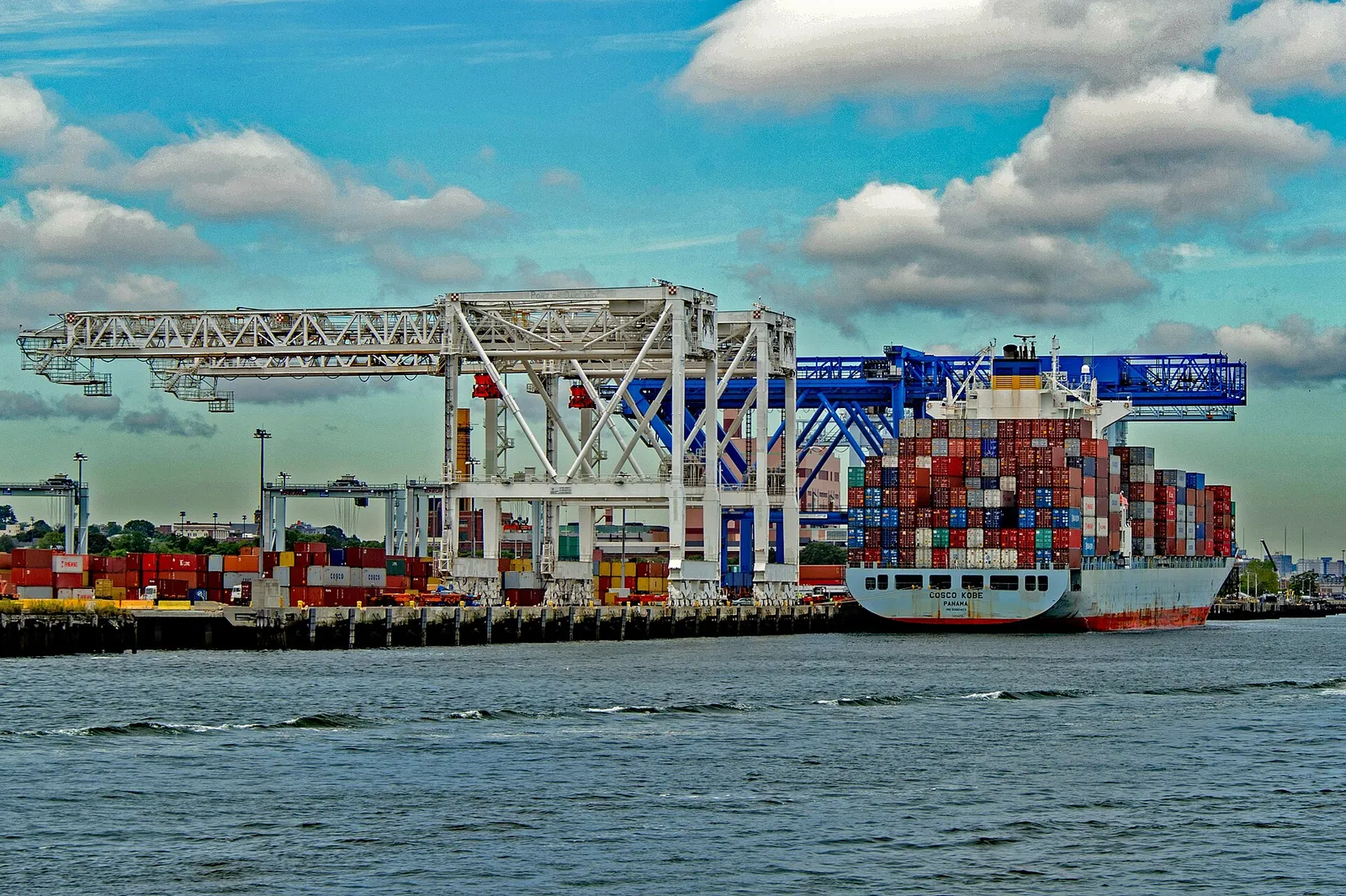
The proximate cause of Canada's difficulties is the shift in US trade policy. Higher American tariffs imposed through 2025 left Canadian real exports running about 2% below their 2024 level. But the hit has been cushioned by two factors. Exports actually rose in the second half of 2025, led by sectors not targeted by tariffs such as energy, and Canada has continued to enjoy the lowest average tariff rate among major US trading partners, at about 5.2% — a relative advantage over other exporters into the American market.
With roughly three-quarters of its merchandise exports bound for the United States, Canada's fortunes remain unusually sensitive to decisions made in Washington.
The variable that matters most
That sensitivity is why analysts keep returning to one event: the mid-2026 renegotiation of the USMCA trade agreement between Canada, the United States and Mexico. A deal that strips away most of the tariffs could unlock the business investment that companies have deferred amid the uncertainty, turning a fragile recovery into a firmer one. A breakdown, by contrast, would leave Canada's most trade-dependent industries exposed for longer.
Weighing it up
The signs of stress are real: two quarters of contraction, an unemployment rate still near 7%, and a heavy dependence on a trading relationship Canada cannot fully control. Set against them are genuine sources of resilience: a recession avoided in 2025 despite the shock, joblessness easing from its peak, exports adapting, a comparatively light tariff burden, and a central bank with room to act if conditions deteriorate.
Canada, in short, is not in free fall — but its path back to steadier growth runs largely through the outcome of the trade talks now under way. Until those conclude, the most accurate verdict is the one its own economists keep offering: bruised, not broken.