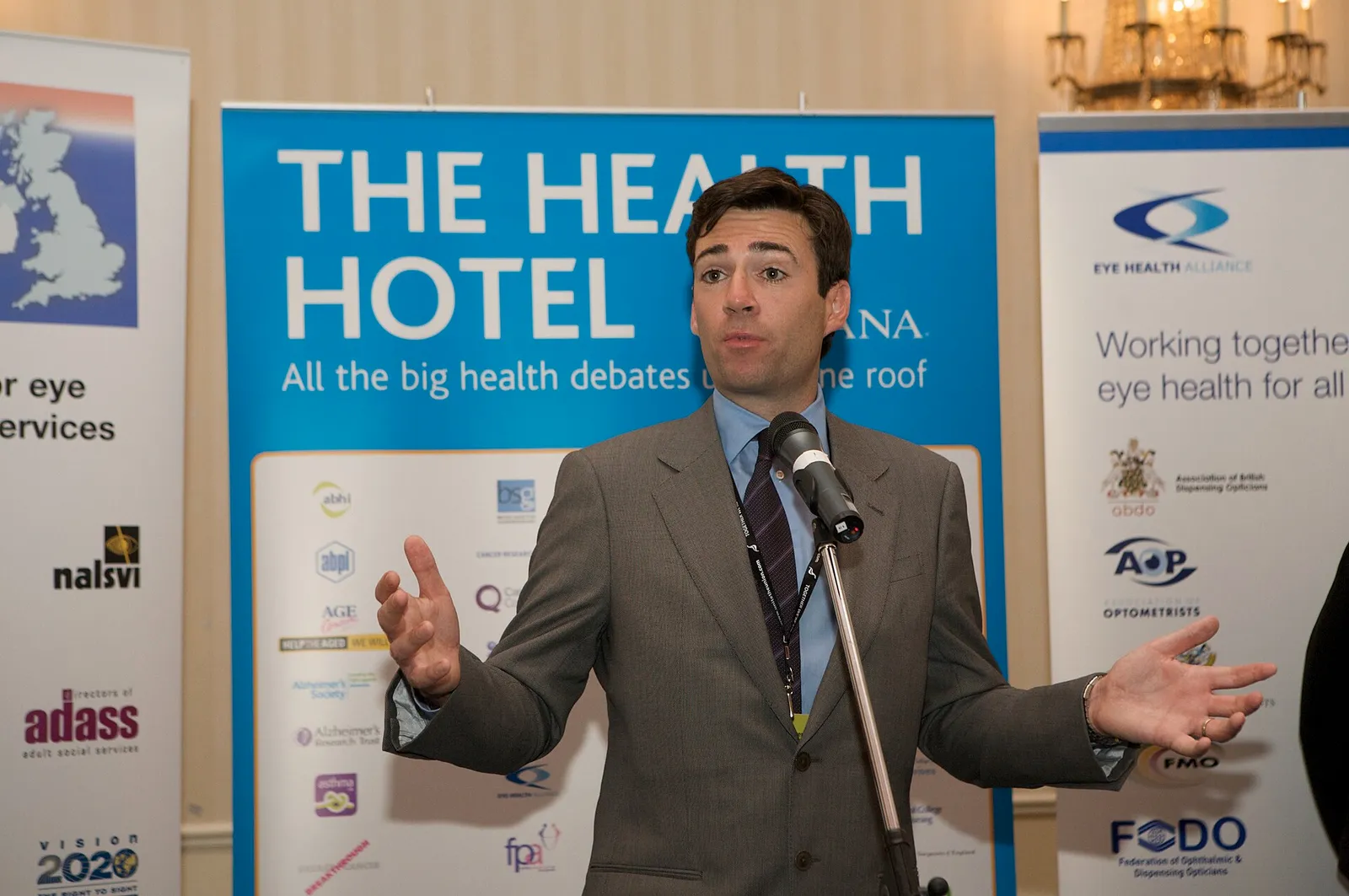
Update, July 20: Burnham took office as prime minister on Monday, after Keir Starmer formally tendered his resignation to King Charles III and Burnham was asked to form a government. This article was published before that appointment.
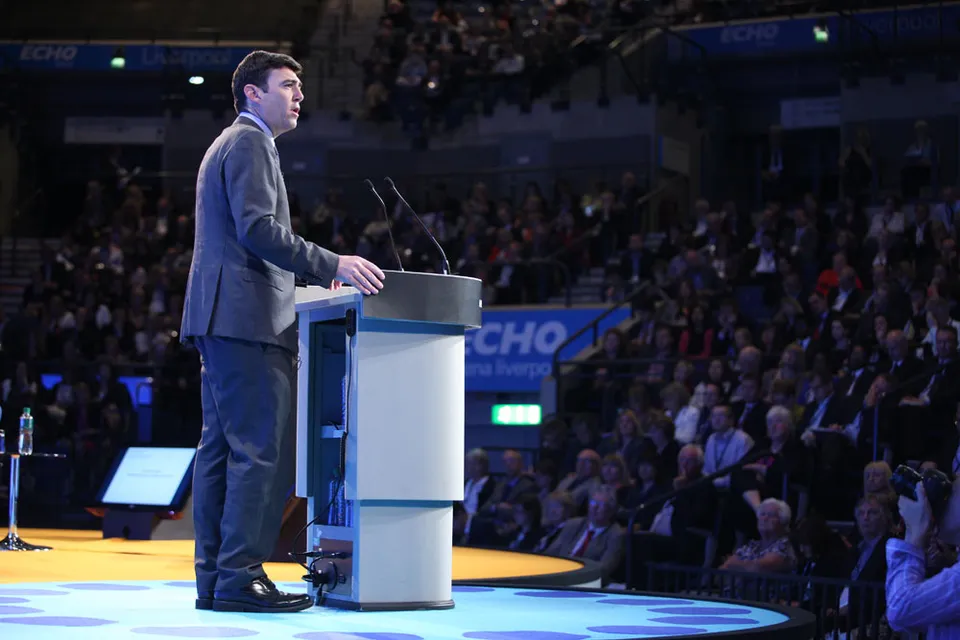
Andy Burnham was confirmed as leader of Britain's governing Labour Party on Friday and is due to succeed Keir Starmer as prime minister. Before he has formally taken office, the sharpest argument about his government is already under way, and it concerns oil.
Who he is
Burnham is not a conventional Westminster successor. He spent 16 years as an MP, serving in the cabinets of Tony Blair and Gordon Brown and rising to health secretary, before leaving national politics in 2017 to become mayor of Greater Manchester.
It was in that job that he built the reputation which carried him back. His public resistance to central government during the COVID-19 pandemic earned him the nickname "King of the North" and made him one of the few British politicians with a base outside London. He ran unopposed to replace Mr Starmer, who announced his resignation in June after a rebellion within his party.
He becomes the United Kingdom's seventh prime minister in a decade.
The North Sea question
The most contested element of his early agenda is what he will do about new oil and gas extraction in the North Sea. Reports indicate that his incoming team has asked officials to prepare options for approving further development, though no decision has been announced and Burnham has not set out a public position on specific fields.
That prospect alone was enough to draw immediate opposition. The Green MP Adrian Ramsay said approving new drilling would be "exactly the wrong response and will do nothing to bring down energy bills". Amy Cameron of Greenpeace UK criticised what she called an attempt to "squeeze out the last few drops from a dying oilfield," arguing it would not lower household bills.
The industry's case runs the other way. Enrique Cornejo of Offshore Energies UK argued that "it is common sense that we prioritise our own production, our own jobs, value in our economy, delivered with lower emissions than imports."
Underlying the dispute is a genuine analytical disagreement. Critics point out that oil is sold on a global market, so additional British production does not automatically translate into cheaper British energy. Supporters counter that domestic supply reduces import dependence at a moment when Middle Eastern conflict is pushing crude prices up.
Any move would sit awkwardly beside Labour's 2024 manifesto, which opposed new North Sea exploration licences on the grounds that they would not reduce bills. Whether approving development on fields already licensed would breach that pledge is precisely what both sides are arguing about.
Utilities and the north
Two other strands of Burnham's programme have drawn attention.
He has signalled sympathy for bringing troubled water companies under public control, an issue driven by Thames Water's debts and its record on sewage discharges. His allies have stopped short of committing to full nationalisation.
The third is the one closest to his political identity: shifting power out of Westminster. Burnham has promised a substantial expansion of the authority held by regional mayors over transport, housing, skills and planning, an agenda his team has branded "No 10 North." He argues that closing the productivity gap between London and the rest of the country is the surest route to national growth.
Sceptics note the structural limit. English mayors control relatively little tax revenue, and without fiscal powers, devolution risks handing regions responsibility without the means to act on it.
What comes next
None of this is settled policy. Burnham inherits low growth, high energy costs and pressure on defence spending, and his first decisions will be read as evidence of which way he intends to govern. The North Sea will be the first real test.