With a fragile ceasefire in place, US officials have begun floating an idea that would have seemed far-fetched weeks ago: Iran as a customer for American goods. The reality of what such trade could look like is far more constrained than the rhetoric suggests.
What Washington has said — and Tehran's reply
US officials have suggested that Iranian funds freed up under the ceasefire arrangement could flow toward American farm products. President Donald Trump said Iran would buy "corn, soybeans, all of the things they need," and Vice-President JD Vance framed the deal as a way to "make American farmers richer," Al Jazeera reported.
Tehran pushed back. An Iranian foreign ministry spokesman said the country's assets would be used "with absolute liberty" to buy whatever goods Iran needs — a pointed rejection of the suggestion that the money be steered specifically toward US suppliers.
How little they trade now
Current commerce between the two countries is minimal. Al Jazeera put 2024 bilateral trade at roughly $838 million, the bulk of it in services, with goods making up a small fraction — mostly food and medicine already permitted under humanitarian exemptions to sanctions.
It was not always this way. Before Iran's 1979 revolution, the United States was among its closest partners, trading aircraft, machinery and technology. The revolution and the hostage crisis severed those ties; successive US administrations layered on sanctions, and a near-total embargo has been the baseline since the 1990s.
Where trade could plausibly grow
If sanctions were substantially eased — a large "if" — analysts point to a few areas. Agriculture is the most cited: Iran is a major grain importer, and US corn and soybean exporters could in theory compete for that market, building on the partial exemptions that already exist. Medicine and medical devices have long had humanitarian carve-outs, though in practice banking restrictions have choked even permitted sales. Aviation is the starkest gap: Iran's commercial fleet, much of it bought before 1979, has aged without access to American jets and parts, so any opening could generate demand for Boeing aircraft — sales that would require explicit US licensing and be politically fraught on both sides.
The obstacles are structural
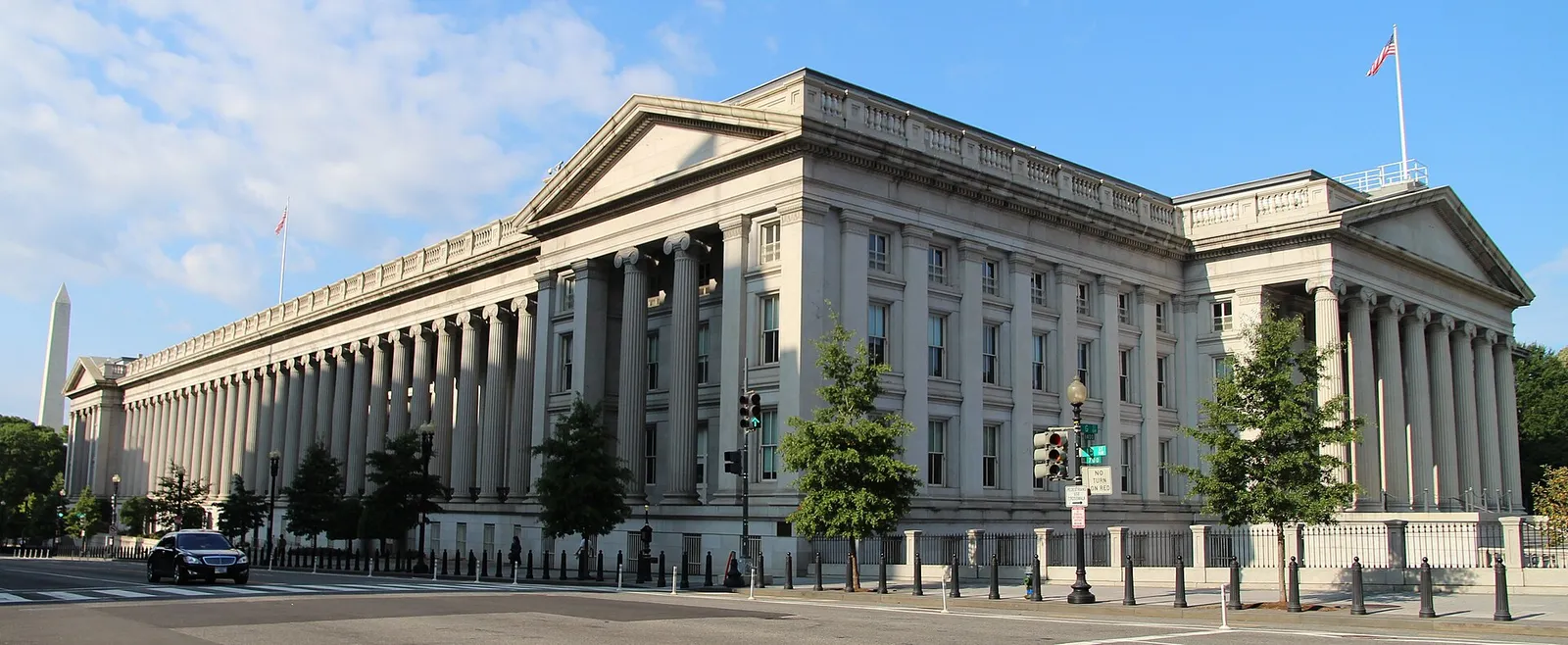
The barriers are not only political but built into US law and global finance. The American sanctions regime, administered by the Treasury's Office of Foreign Assets Control, layers multiple statutes and executive orders, plus "secondary" sanctions that penalize non-US firms for dealing with Iran. Unwinding that requires either congressional action or sustained executive waivers — not something a short ceasefire delivers.
Banking is its own wall. Iranian banks are largely cut off from the international payment system, so even legal trade struggles to find a way to settle. Reporting on the ceasefire framework suggests sanctions relief is meant to come as part of a final deal, Fortune noted — but competing draft versions of the agreement differed sharply on key terms, underscoring how unsettled it remains. Crucially, no final deal yet exists, and the two sides still have to resolve the most contentious issue of all: Iran's nuclear program, CSIS reported.
Why analysts are skeptical
Trade experts are cautious. Iran has spent decades building alternative supply lines, notably with China and Russia, and conspicuous reliance on American goods would carry domestic political costs in Tehran. On the US side, hardliners in Congress have long opposed economic engagement regardless of the diplomatic climate, and the collapse of the 2015 nuclear deal during Trump's first term left lasting mistrust.
What officials have said is real; what they have promised is contested; and what has actually changed on the ground is, so far, very little. Rebuilding US-Iran trade would mean dismantling a sanctions structure built over nearly half a century and reconstructing the financial plumbing to support it — a process that, for now, exists mostly as an aspiration.