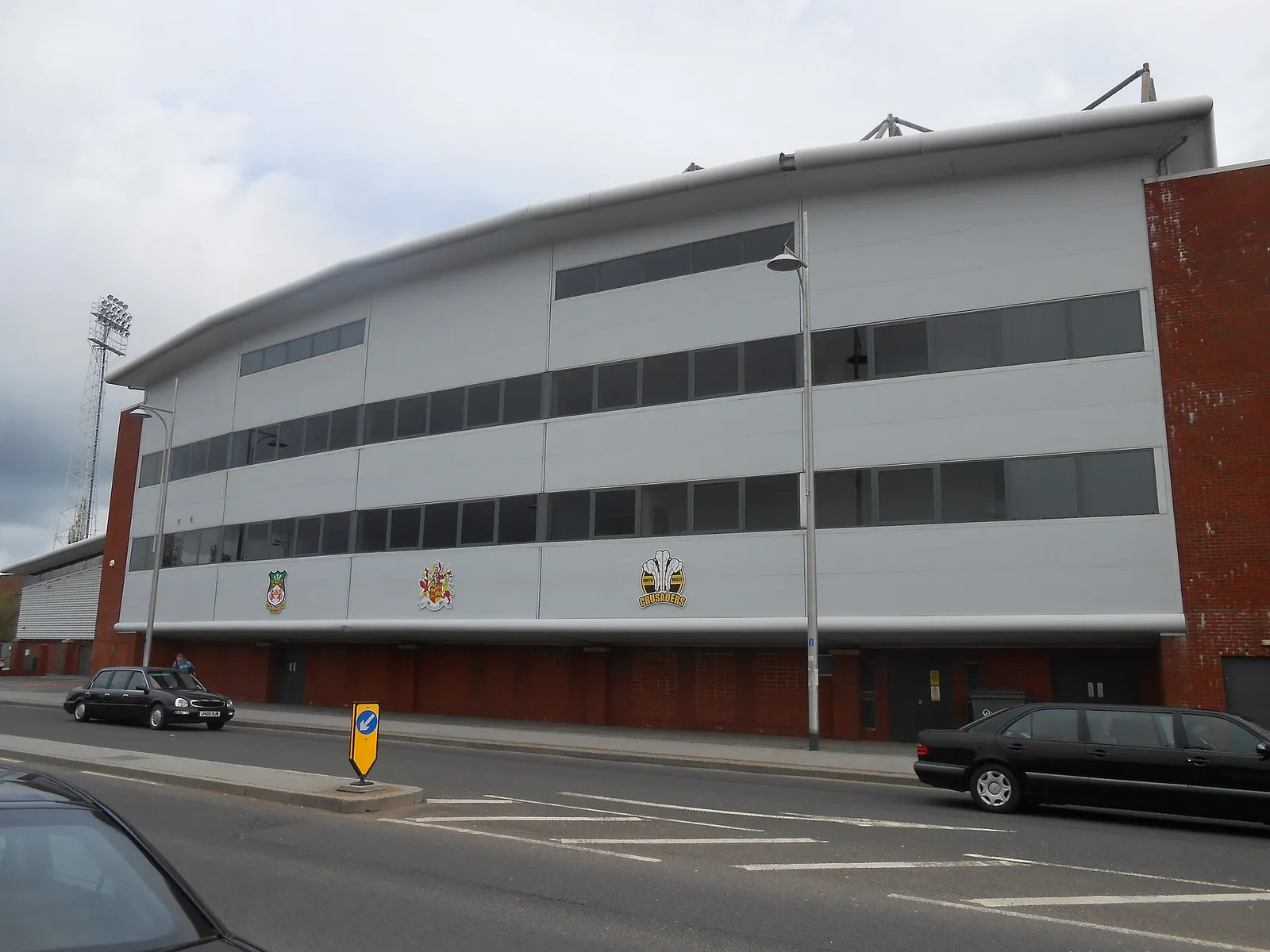
Wrexham's women's team will play in the UEFA Women's Champions League for the first time in its history, ESPN reports. They face the Armenian champions FC Pyunik in the first qualifying round on Wednesday, at home at the Racecourse Ground.
They qualified by winning both the Adran Trophy and the Adran Premier, the Welsh top flight, in the 2025-26 season: a domestic double, the club's first.
The speed of the rise
The striking thing is how recent all of this is.
The women's team was formed in 1993, but it only reached the top division of Welsh football two seasons ago, in 2023-24. Two years after arriving in the top flight, it has won everything domestically available and qualified for Europe. That is a fast ascent by any measure.
It is also part of a bigger and better-known story. Wrexham, a club in north Wales, was bought in 2020 by the actors Ryan Reynolds and Rob McElhenney, whose ownership and the documentary series Welcome to Wrexham turned a lower-league club into a global brand. The men's team's climb through the divisions has been the visible face of that. The women's qualification for the Champions League is the same project reaching a different part of the club.
The scale of the task
Wrexham arrive in Europe as one of the smaller names in the competition, and the history is not encouraging.
No club from the Welsh top flight has ever got past the first qualifying round of the Women's Champions League. ESPN notes that Cardiff Met were the last Welsh side to win a qualifier, in 2019, and that the last Adran Premier player to score in the competition, Swansea City's Chloe Chivers, did so in 2021. The bar Wrexham are trying to clear is one no Welsh club has cleared.
The team's manager, Jenny Sugarman, who arrived from Leicester in July 2025, set the tone without over-promising. "We want to embrace the opportunity," she said, adding: "we are here to try and win some games."
That is the right register for the situation. Reaching the competition is the achievement; progressing in it would be a larger and less likely one.
Why it resonates beyond the club
The appeal of this story is not really about Wrexham's chances on Wednesday, which are modest. It is about what the qualification represents.
A women's team that was in the third tier of a small national league a few years ago is now in European competition, at a ground that holds 13,000, attached to one of the most-watched sports stories in the world. For Welsh women's football, long on the margins, that is a rare moment of visibility, and the kind of thing that can pull investment and attention toward a game that has had little of either.
The match itself will most likely be difficult. But the fixture existing at all, a Welsh women's side walking out in the Champions League, is the part that matters, and it is already secured whatever happens on the night.